Dream & Improve
The Home Improvements That Actually Pay Back
Adam Fry-Pierce · July 9, 2026 · 4 min read
Ask ten people which home improvements add value and you'll hear about kitchens, primary suites, and whatever the renovation shows featured last season. The research tells a quieter story. Year after year, industry cost-versus-value studies find the same pattern: modest, unglamorous projects recoup a larger share of their cost than big luxury remodels do. A new garage door beats a home theater. If you're deciding where your next few thousand dollars should go, that's worth understanding before you fall in love with a rendering.
Start with what buyers see first
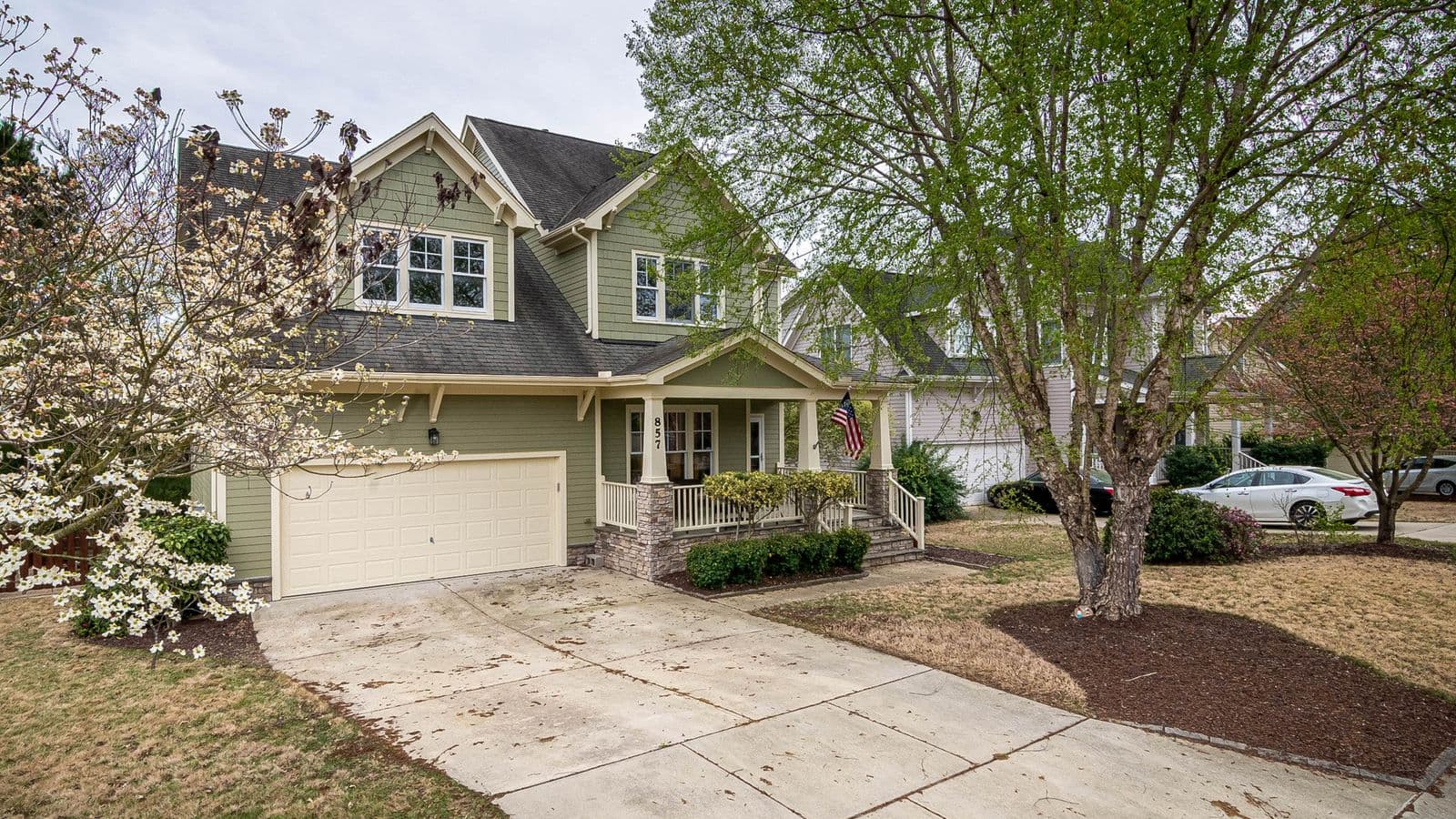
Curb appeal projects are cheap relative to interior work, and they do something no interior project can: they set a buyer's expectations before the front door opens. A home that looks cared for from the street gets read as cared for everywhere. Buyers carry that assumption through every room.
The list is short and unexciting. Replace a dented garage door. Upgrade the entry door. Refresh exterior paint where it's peeling or faded. Keep the landscaping tidy rather than elaborate. In the annual cost-versus-value research, these modest exterior projects consistently recoup the largest share of what you spend, because they cost little and shift perception a lot.
The exact figures move around by region and year. Treat any national number as a rough sketch, not a promise.
Fix what's broken before you add what's new
Buyers pay a premium for one feeling above all others: nothing needs doing. A dry basement beats a wine cellar here. A sound roof and a furnace that isn't on borrowed time won't photograph well, but they return more than a theater room, because a buyer who spots deferred maintenance starts discounting everything. Including the parts that work fine.
Deferred maintenance is a negative improvement. A small roof leak becomes sheathing damage, then a remediation line item on an inspection report. Every year you wait, the bill grows and the eventual negotiation gets worse. If your budget can only go one place this year, send it to whatever is actively deteriorating.
Energy efficiency belongs in the same category, in its unsexy forms: insulation, air sealing, and an efficient HVAC unit when the old one is due for replacement anyway. These pay twice. You get lower utility bills every month you live in the house, and a cleaner story when you sell. Utility rebates and federal or state tax credits often apply, but the programs change frequently. Check your utility company and a current official source, not a blog post's recollection of last year's rules.
Kitchens, baths, and the projects that rarely pay back
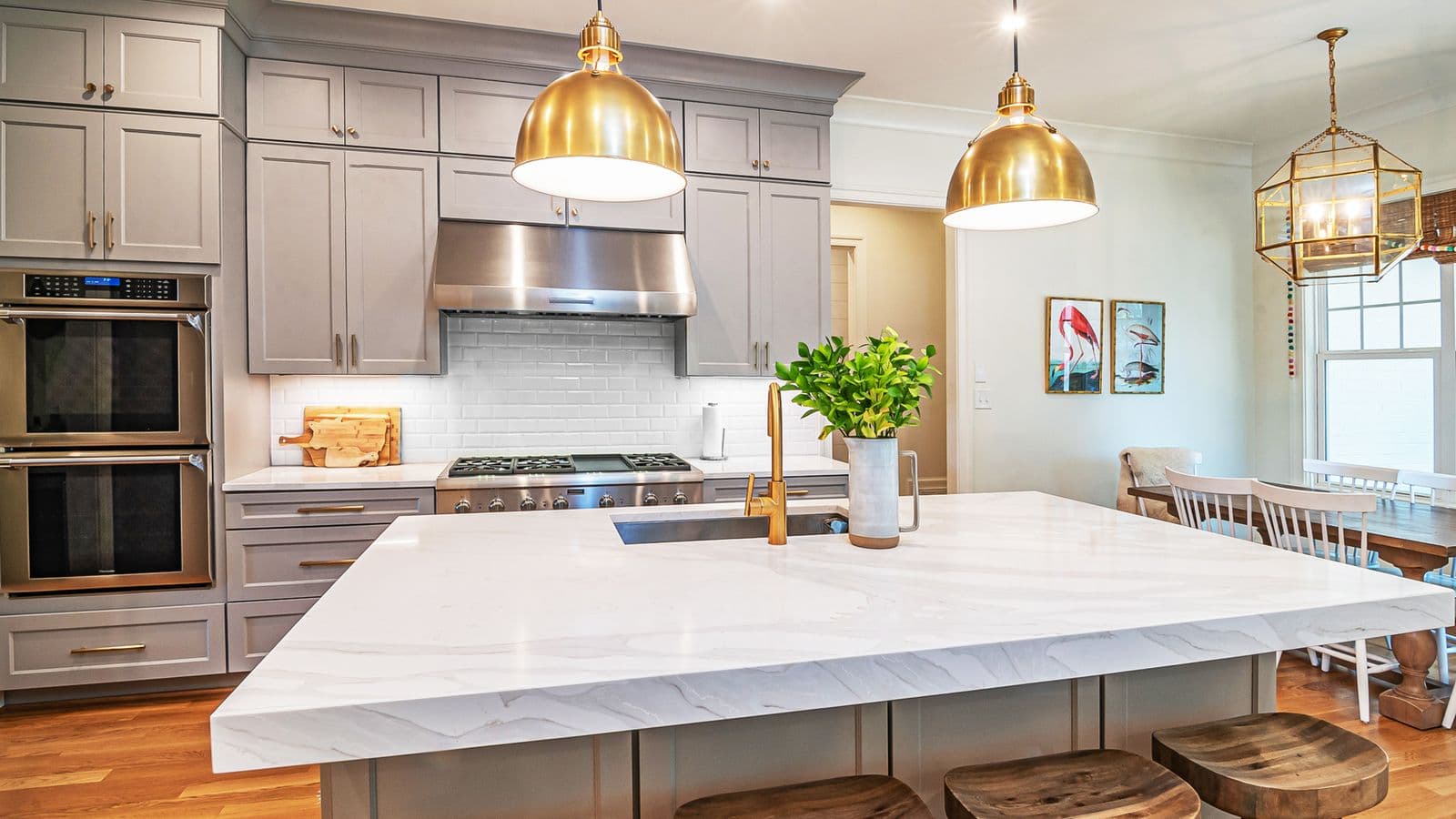
Kitchens and bathrooms sit in the middle tier. They matter to buyers and they date visibly. They're also where budgets go to double. The consistent finding: a moderate refresh recoups more of its cost than a gut remodel. New counters, refreshed cabinet fronts, updated fixtures, and better lighting change how a kitchen reads for a fraction of what a teardown costs. The full breakdown deserves its own post, and we wrote one: kitchen and bath ROI.
Then there's the tier that usually doesn't pay back. Pools are the classic case. In some warm markets they help, and in most others they narrow your buyer pool and read as a maintenance obligation. High-end personalization, the imported tile and the custom everything, returns value only to the degree a future buyer shares your taste. And pushing your house far above the neighborhood ceiling rarely works, because appraisers and buyers both anchor on the street you live on. The best house on the block is a hard position to profit from.
Check the pattern against your market
Everything above is a national pattern, and you don't live in a national average. In your zip code, a finished basement might be the thing every buyer expects, or the thing nobody will pay for. There's one reliable way to find out.
Ask your agent to pull local comps before you commit to any project. What did the recently sold homes near you actually have? Which listings sat, and what were they missing? An agent who works your area can tell you in one conversation whether the project you're considering shows up in the homes that sold well.
Then get real bids, not guesses. A project that pencils out at a rough estimate can stop making sense at the actual quote, and the spread between contractors is often wide. Our guide on how to vet a general contractor covers how to get comparable bids and read them honestly.
If your agent set you up with Reyn, this is where it helps: Reyn keeps your project ideas next to your actual equity and your agent's read on your market, so the decision rests on your house instead of a magazine spread. Start with the conversation. The right project for your home is a local question, and your agent has the local answer.
For homeowners
Reyn comes as a gift from your agent.
Free for you. Tell us who your agent is and we'll send them one note that you asked. No spam, no follow-ups.