Trusted Pros
Understanding Contractor Bids: Why the Cheapest Quote Usually Isn't
Adam Fry-Pierce · July 9, 2026 · 4 min read
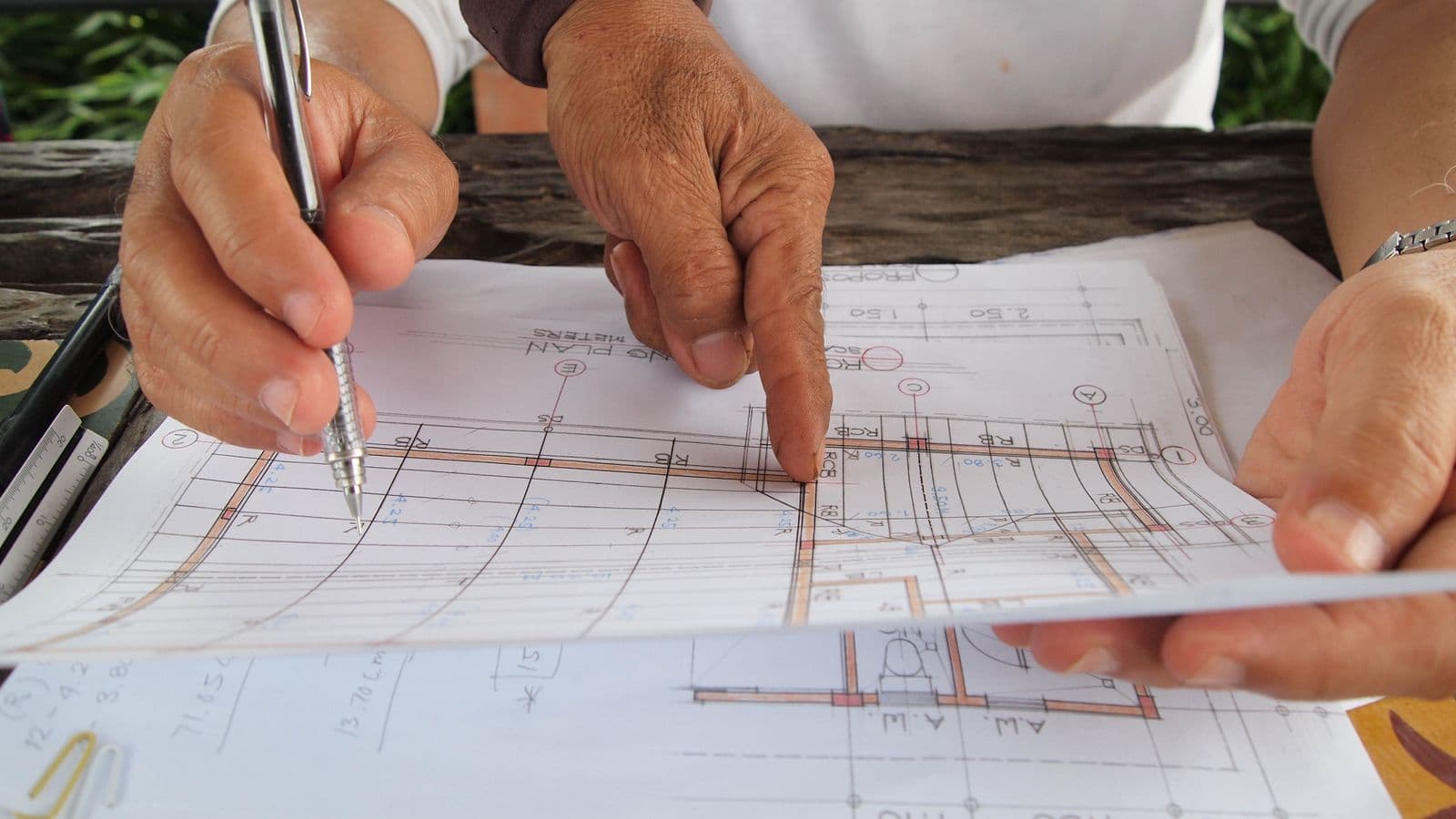
You asked three contractors to look at the same project, and three numbers came back that don't agree. The instinct is to treat it like comparison shopping: same product, three prices, take the lowest.
But a bid isn't a price. It's a document describing a scope of work. Three numbers that spread wide usually mean three different jobs wearing the same project name, and almost never that one contractor is far more efficient than the rest.
Why the same project gets different numbers
Start with materials. One bid names the exact tile, the fixture line, the shingle grade. Another carries an allowance: a placeholder amount for materials you'll pick later. Allowances are normal, but an allowance set unrealistically low is a quiet discount that becomes your overage the day you choose the actual product. A bid can come in well under the others just by shaving its allowance lines.
Then look at what's excluded: haul-away and debris disposal, permit fees (and who's responsible for pulling permits at all), the drywall patch after the plumbing is done, paint. None of these are small. A lean bid is often lean because these items live outside the scope, and they come back as extras once the job is underway.
Labor depth matters too. One bid might be a single person doing everything. Another includes a crew, with a licensed electrician or plumber lined up for the parts of the job that legally require one. If your project needs a licensed sub and a bid doesn't account for that, the price is missing a real cost, and possibly a legal requirement.
Finally, look at how each bid treats risk. The one that mentions what could go wrong (rot behind the tub surround, outdated wiring inside the wall) was written by someone who has opened enough walls to know. A bid that never mentions risk hasn't priced it, which means you will.
Make the scopes match before you compare numbers
Put the bids side by side and normalize them before you look at the totals: same materials spec, same exclusions, same answer on who handles permits.
Ask each contractor to itemize anything presented as a lump sum. Labor, materials, subs, disposal. This is a routine request, and how they respond to it tells you something.
It's also completely fair to ask one contractor what it would take to match another bid's scope. Nobody's being pitted against anyone here. A comparison only means anything when they're bidding the same job, and a good contractor will walk you through the differences. That walkthrough is often the most useful conversation of the entire bidding process.
One note on quantity: a third bid is most valuable when the first two disagree substantially. Two detailed bids that land close together mostly confirm each other. Two that land far apart need a third to tell you which one is the outlier.
What a low outlier usually means
A bid meaningfully below the others usually has one of three explanations. Either the contractor missed a scope item, or they lowballed on purpose and plan to make it up in change orders once you're committed. The third possibility is that they need work badly, which raises its own questions about how the job will be staffed and finished.
Occasionally the low bid is legitimate: a smaller operation with less overhead, or a slow season they want to fill. The way to tell is the scope itself. If the cheapest bid is as detailed as the most expensive one, with the same materials named, the same exclusions addressed, and permits assigned, it may be a genuine deal. If it's a thin page with a bold number, the missing detail is where the missing money is.
The parts of a bid that aren't the number
Once the scopes match, the remaining differences matter more than a modest gap in price. Schedule realism first: a start date and duration that fit the season and the contractor's other commitments, not a promise designed to win the job. Then payment terms. Progress payments tied to completed milestones are healthy, and a large upfront deposit is worth questioning. And get the warranty on labor in writing, not as a verbal assurance.
Weigh how each contractor handled your questions during bidding, too. The one who answered the itemization request patiently is the one who will handle a rotten subfloor discovered in week two like a professional. Bidding behavior predicts job-site behavior. For a fuller checklist, here's how to vet a general contractor before you sign anything.
Whatever you decide, keep every bid, including the ones you turn down. Losing bids are free market data for your next project. They also document what the job looked like before it started, which is worth having if a dispute or an insurance question ever surfaces. Reyn keeps them in your home's record, so the knowledge outlasts the project.
And if the harder problem is finding bidders worth comparing in the first place, start with your agent. They've watched contractors perform across many homes and many years, and they know who to call for your kind of job. Reyn keeps that connection close: your agent's trusted network, one message away, with every quote you gather saved alongside the rest of your home's story.
For homeowners
Reyn comes as a gift from your agent.
Free for you. Tell us who your agent is and we'll send them one note that you asked. No spam, no follow-ups.
More on Trusted Pros

Trusted Pros
How to Vet a General Contractor Before You Sign Anything
The vetting happens before the handshake. Five checks that separate the pros from the problems, and none of them are awkward.

Trusted Pros
The Questions to Ask Any Contractor Before Work Starts
Print this, ask these, write down the answers. The conversation before the contract is where good projects are made.

Trusted Pros
Who to Call: Why Rolling the Dice on a Repair Costs You More
A bad hire on a home repair doesn't just cost the invoice. It costs the redo. Here's how to shortcut the search.