Home Health & Systems
The Fall Checklist That Actually Prevents Winter Damage
Adam Fry-Pierce · July 9, 2026 · 4 min read
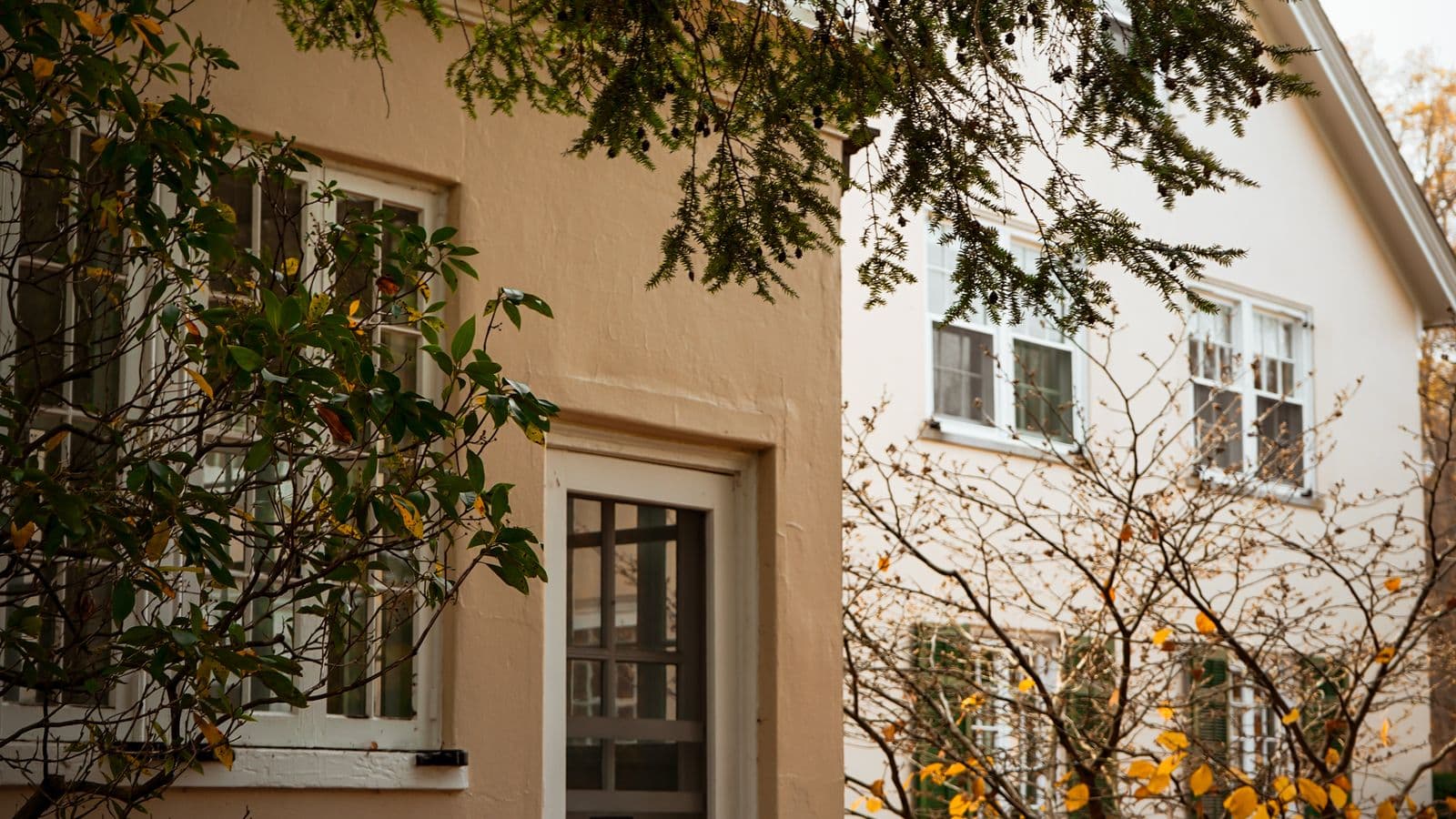
Search for a fall home maintenance checklist and you'll find lists forty items long. Wash the windows. Aerate the lawn. Organize the garage. None of those are bad ideas, but they bury the point. Fall maintenance exists for one reason: winter is the season that damages houses, and fall is your last window to get ahead of it.
So here is the short list instead, ranked by the damage each task prevents. If this is your first year in the house, start with these and ignore the rest until they're done.
Clear the gutters and follow the downspouts
When gutters clog with leaves, water stops moving. In cold climates, that standing water freezes at the roof edge and builds an ice dam: a ridge of ice that traps snowmelt behind it and pushes water up under your shingles, into your ceilings and walls. In milder climates the failure is quieter. Overflowing gutters dump water straight down along your foundation, where it soaks the soil and works into basements and crawl spaces over months.
Clean them after most of the leaves are down, and check where the downspouts point while you're at it. Water should land several feet from the house, not at the base of the wall. If it doesn't, downspout extensions are an easy fix.
Disconnect hoses and shut off outdoor spigots
A garden hose left connected over winter holds water in the pipe behind the faucet. The first hard freeze can split that pipe inside your wall. And because the break is hidden, you often won't know until you turn the spigot on in spring, or until water shows up somewhere it shouldn't.
The fix takes minutes. Unscrew the hoses and drain them. If your house has interior shutoff valves for the exterior lines, close them and open the outside spigots so they drain too. Cheapest task on the list, and it prevents one of the messiest failures a house can have.
Get the furnace looked at in October, not January
Change the filter, and if the system hasn't been serviced in the past year, schedule that before heating season starts. The reason is timing. A furnace that's already struggling in the fall tends to fail during the first real cold snap, which is exactly when every HVAC company in your area is booked solid.
A technician who finds a weak part in October hands you a decision you can make calmly, with time to compare quotes and think through repair or replace on your own schedule. The same problem in January, with the house getting colder by the hour, is an emergency. Emergencies are where you pay the most and choose the fastest option instead of the best one.
The ten-minute walkaround
You don't need to get on the roof. From the ground, walk around the house and look up: lifted or missing shingles, flashing pulling away around the chimney or vents, anything that looks out of line. A gap that would drip harmlessly in a summer rain can feed water into the roof deck all winter, where every freeze pries it a little wider. If you spot something, get a roofer out before the weather turns.
While you're outside, deal with the obvious drafts. Stand near doors and windows on a windy day, feel for moving air, then caulk or weatherstrip the gaps you find. Drafts won't wreck the house, but they bleed money: a drafty house is you paying to heat the outdoors. It stays on the short list because the fix is fast and the materials cost very little.
One caveat: fall isn't the same assignment everywhere. A Phoenix fall and a Minneapolis fall barely share a season. If hard freezes are rare where you live, the hose and spigot work matters less and the drainage work matters more, and your furnace prep might be a heat pump checkup instead. The ranking holds. Weight it for your climate.
The math behind every item here is the same. Fall work is cheap, and the winter failures it prevents are not. Cleaning gutters costs you an afternoon. A burst pipe or an ice-dammed ceiling can cost you a season. The hard part was never the work. It's remembering to do it at the right time, every year, while the rest of your life is also happening.
That's the job a home care plan does. Reyn keeps this list on your home's schedule, reminds you when the timing matters, records what got done, and when a task calls for a pro, connects you to the people your agent already trusts.
For homeowners
Reyn comes as a gift from your agent.
Free for you. Tell us who your agent is and we'll send them one note that you asked. No spam, no follow-ups.
More on Home Health & Systems

Home Health & Systems
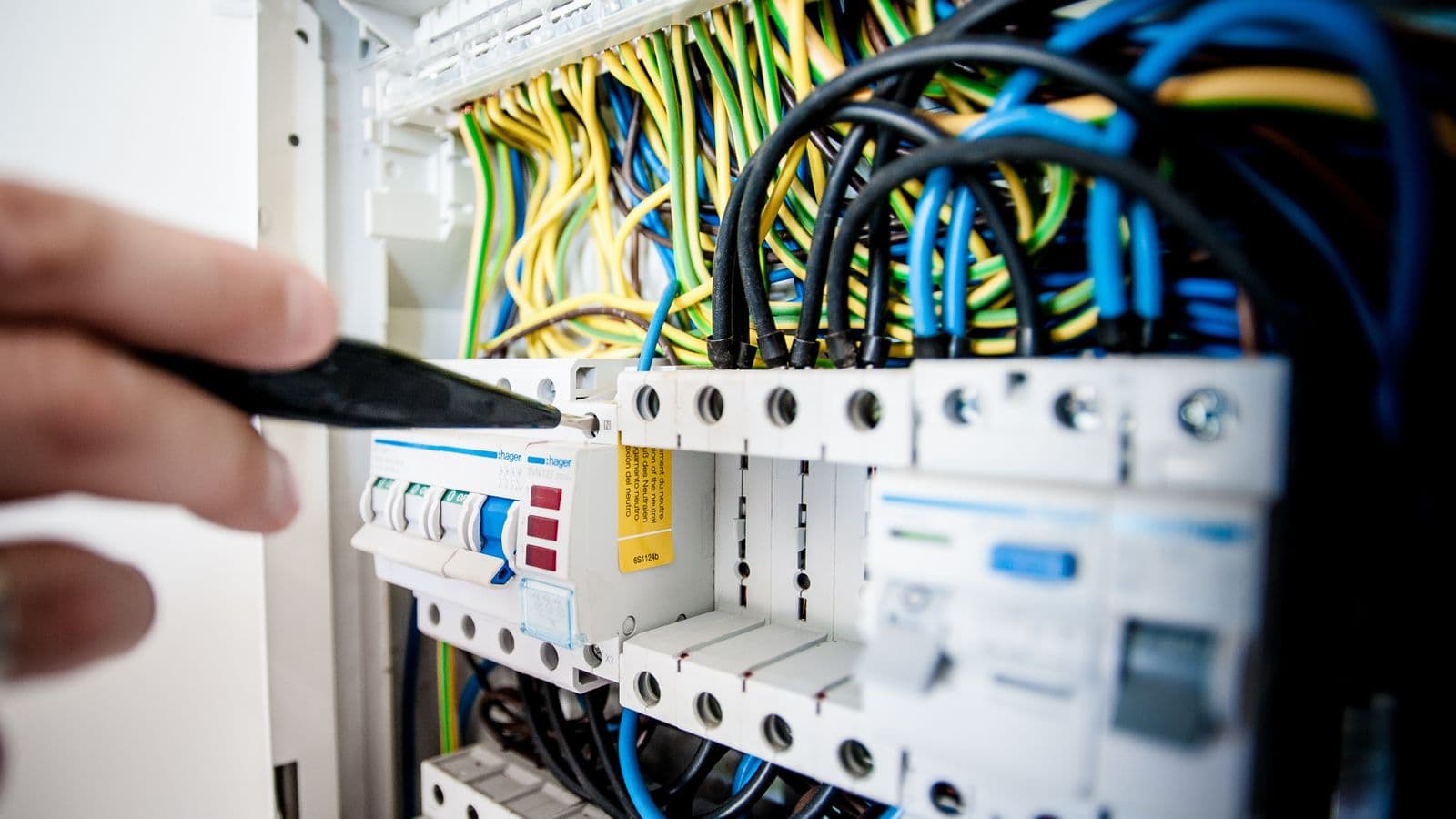
DIY or Call a Pro: Where the Line Actually Is
The line isn't about skill. It's about what happens when it goes wrong. A framework for the call every homeowner keeps making.
Home Health & Systems
Recalls Quietly Sitting in Older Homes
Electrical panels, water heaters, dishwashers: recalls don't come find you. Here's how to check what's already installed.
Home Health & Systems
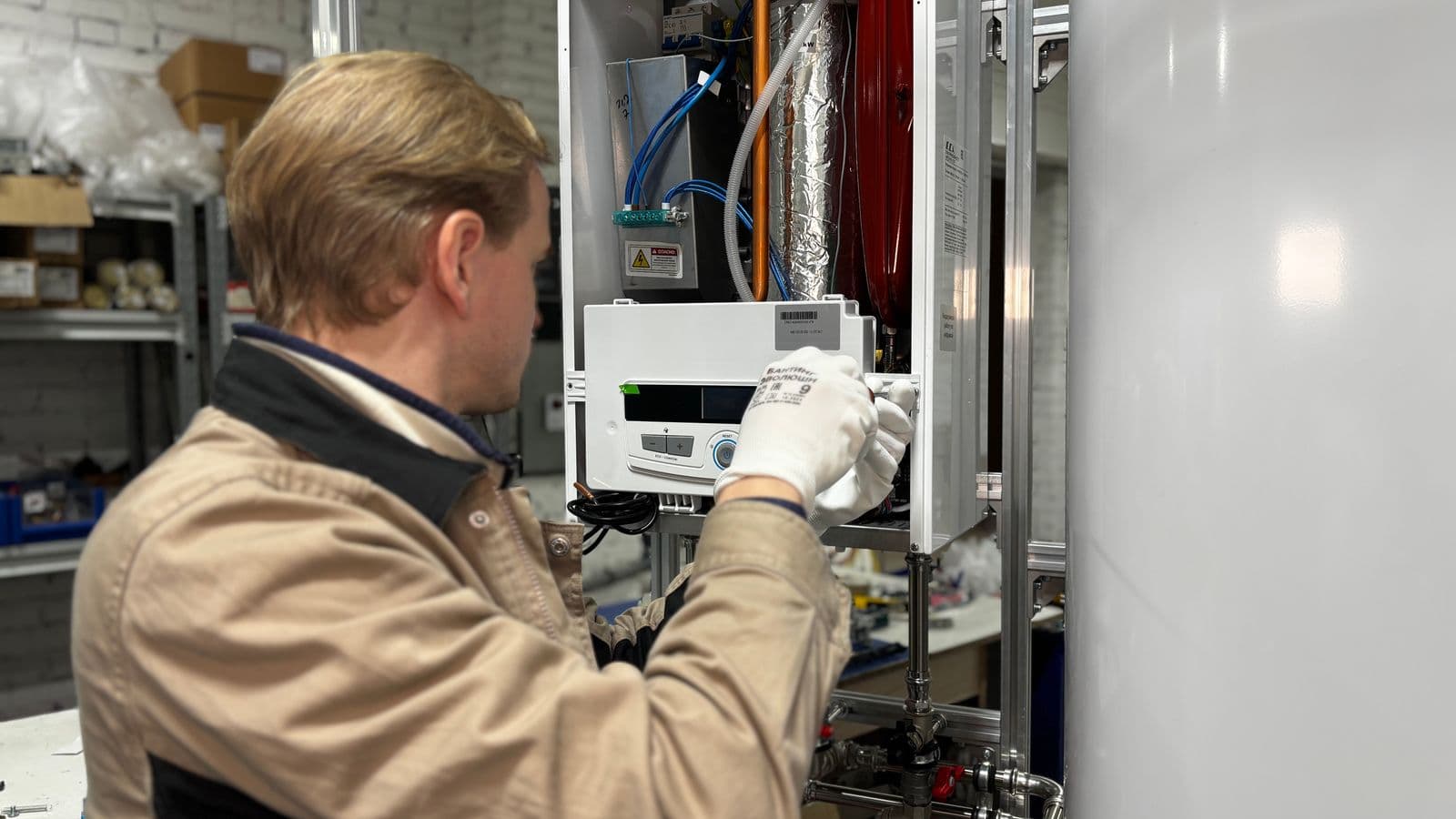
Repair or Replace: The Math Behind Every Aging Home System
Every big system in your house hits a fork eventually. Here's the actual math for deciding which side of it you're on.