Home Health & Systems
Recalls Quietly Sitting in Older Homes
Adam Fry-Pierce · July 9, 2026 · 3 min read
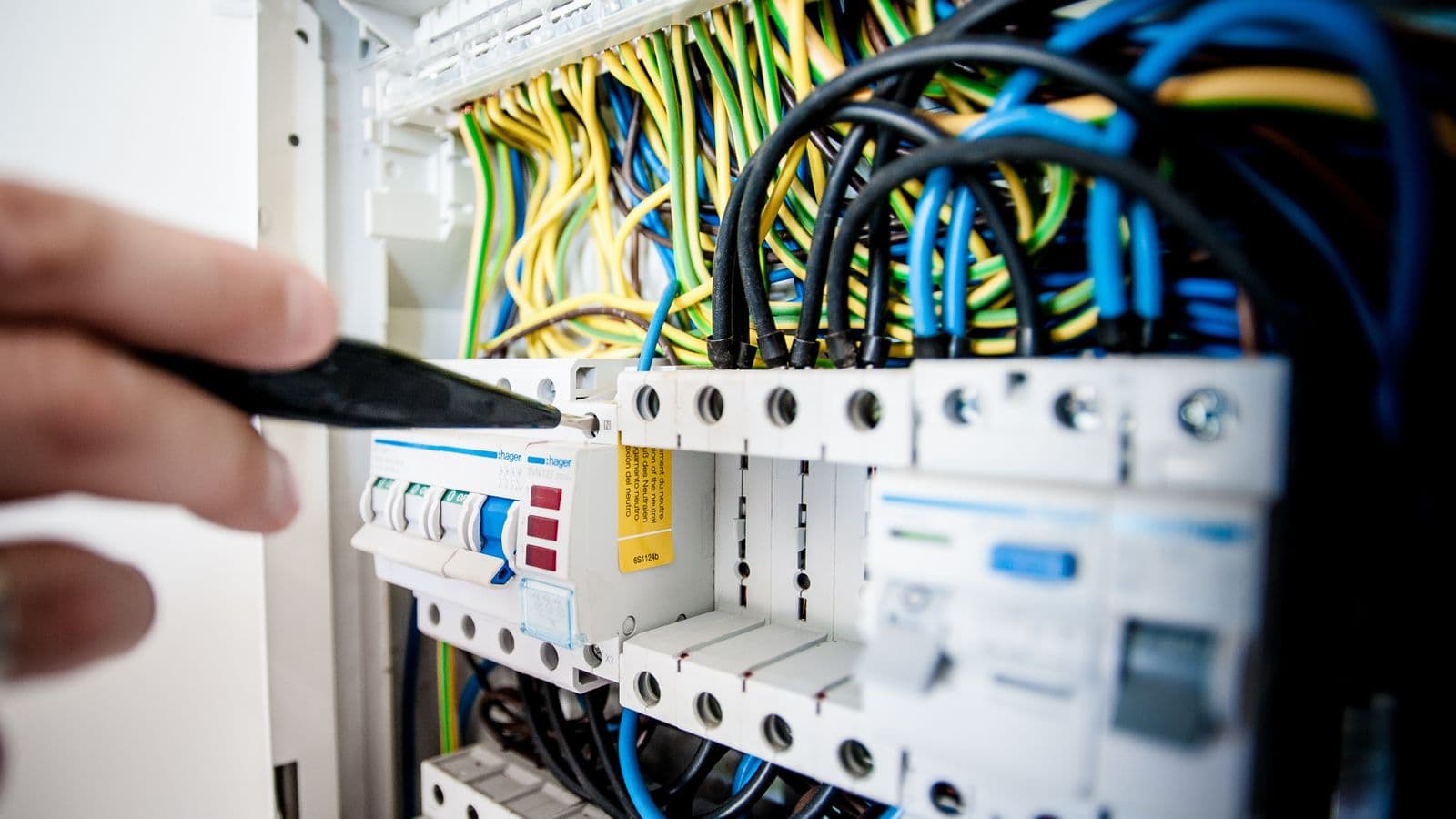
A product recall exists for a lot of what's already sitting in your house. Dishwashers, ranges, water heaters, dryers, and in some older homes, the electrical panel itself. The manufacturer knows about the issue. So do regulators. The person actually living with the product almost never hears about it.
The gap has a boring cause: recalls are tied to product registration and the original purchaser, not the address. If you bought an appliance new and filled out the registration card, you might eventually hear about a recall. If you bought a house that already had the appliance in it, or the original owner never registered anything, the recall sits in a database somewhere with no line connecting it to your kitchen or your basement panel.
The panel example most inspectors know
One version of this comes up often enough to name directly. Certain electrical panel brands manufactured in the mid-20th century, Federal Pacific and Zinsco among them, are commonly flagged by home inspectors when they turn up during an inspection. Many insurers ask about panel brand and age right on the application, and some will want an evaluation by a licensed electrician before writing or renewing a policy.
A panel carrying one of these labels isn't guaranteed to fail, and it isn't necessarily dangerous today. The flag means something narrower: the panel is old enough, and the manufacturer's history checkered enough, that an electrician's evaluation has become the standard, sensible next step. If your house has an older panel and you don't know the brand, find out. That's the whole ask.
Ordinary appliances have the same problem
Panels get the attention because they're a known category, but the same gap runs through everyday appliances. Dishwashers get recalled over control boards, ranges over gas valves. Water heaters and dryers land on recall lists for the same underlying reason: something in a manufacturing run didn't hold up the way it should have.
A home that's changed hands once or twice makes this harder to track, not easier. The person who bought the dishwasher new might have registered it and gotten a notice years ago, long before ever selling the house. The next owner has no idea any of that happened. By the time you move in, an appliance recalled two owners back looks like any other appliance that came with the house.
A simple way to check
The fix requires nothing exotic. Major appliances and systems carry a make, model, and serial number, usually printed on a plate or sticker somewhere on the unit itself: inside the door frame of a dishwasher, on the side or back of a range, on a water heater's data plate. Those three details can be checked against the Consumer Product Safety Commission's public recall database, at cpsc.gov or recalls.gov, or with the manufacturer directly.
Do this occasionally, and definitely do it right after buying a home that came with appliances you didn't choose yourself. But a one-time check has a limit built in: recalls get issued after you've already looked. The dishwasher that checks out clean today can turn up on a list next year. The search matters less than the record behind it: if the model and serial number are on file somewhere, a recall issued later has something to match against.
This is part of what an ongoing home record is for. Reyn keeps the make, model, and install date of what's actually in your house, the panel, the water heater, the range, the dishwasher, alongside the documents and warranties tied to each one. It never asks you to think about recalls day to day. But if something you own does get flagged down the line, you'd actually know, instead of finding out the way most people do: well after the fact, or not at all.
For homeowners
Reyn comes as a gift from your agent.
Free for you. Tell us who your agent is and we'll send them one note that you asked. No spam, no follow-ups.
More on Home Health & Systems

Home Health & Systems
DIY or Call a Pro: Where the Line Actually Is
The line isn't about skill. It's about what happens when it goes wrong. A framework for the call every homeowner keeps making.

Home Health & Systems
The Fall Checklist That Actually Prevents Winter Damage
Most fall checklists are forty items long. These are the handful that actually prevent expensive winter damage.
Home Health & Systems
Repair or Replace: The Math Behind Every Aging Home System
Every big system in your house hits a fork eventually. Here's the actual math for deciding which side of it you're on.