Home Health & Systems
Repair or Replace: The Math Behind Every Aging Home System
Adam Fry-Pierce · July 9, 2026 · 4 min read
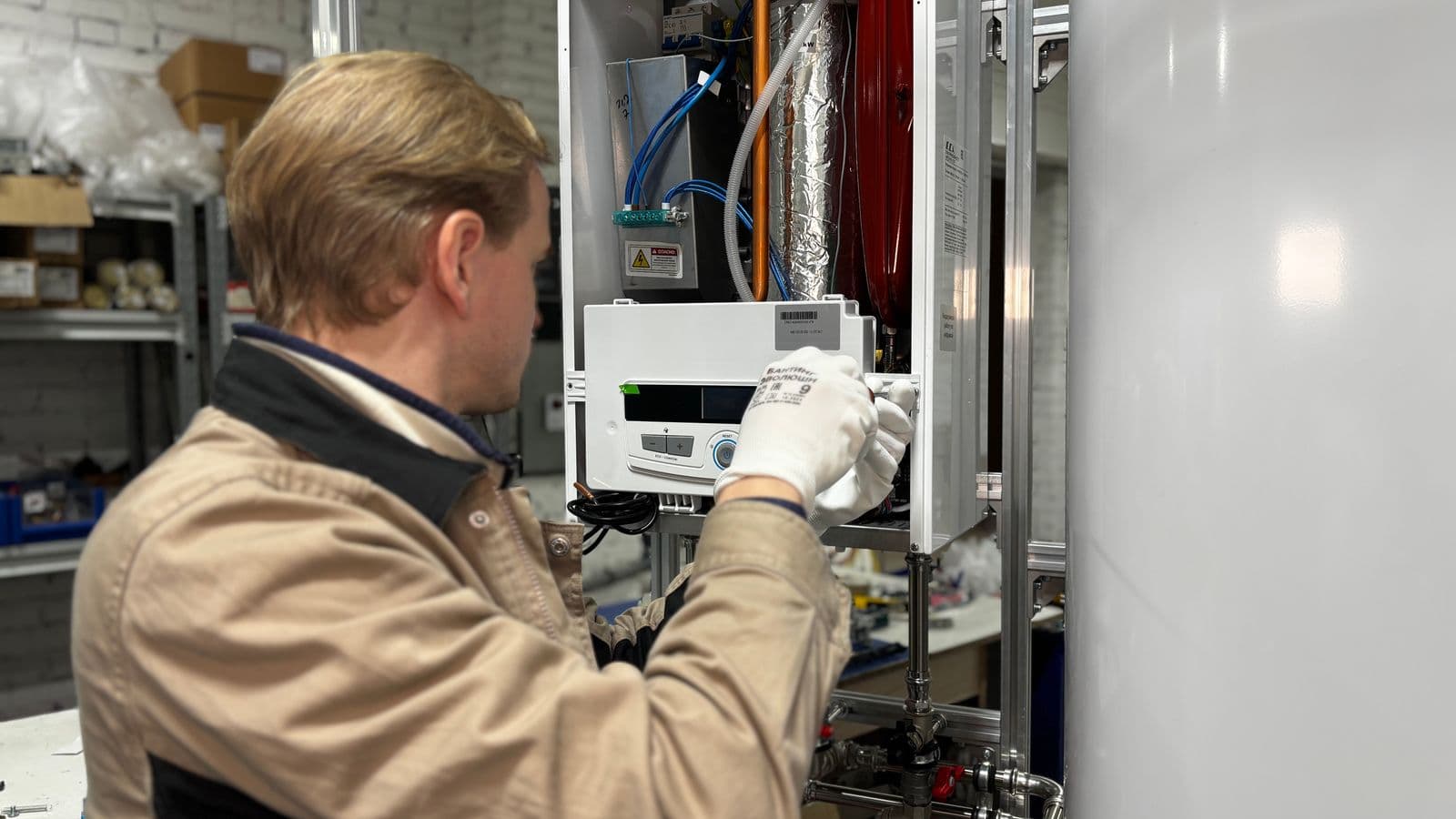
It usually starts the same way. The furnace makes a noise it hasn't made before, or the water heater leaves a puddle you didn't expect, or the AC runs all afternoon and the house still won't cool. A contractor comes out, looks at the unit, and quotes you a repair.
The number itself is rarely the hard part. The hard part is the question underneath it: will this repair actually hold, or are you paying to delay a replacement you'll need anyway? Most homeowners answer that on the spot, standing in the garage or the basement, with a stranger waiting for a decision. That's a bad moment to be doing math for the first time.
Four things worth knowing before you decide
You can make this call well without knowing anything about HVAC or plumbing. It takes four pieces of context, and you already have access to most of them, even if you've never written them down.
First: where the system sits in its typical lifespan. Furnaces generally run 15 to 20 years. Water heaters land in the 8 to 12 year range. Roofs, depending on material, often stretch 20 to 30 years or more. A repair on a system five years into that range is a very different decision than the same repair past the midpoint. Age alone doesn't tell you to replace anything. It tells you how much benefit of the doubt a repair deserves.
Second: how big this repair is relative to a full replacement. A repair that costs a small fraction of a new unit is usually worth doing without much debate. A repair that costs half of what a new unit runs, on a system already past the middle of its expected life, is where people talk themselves into optimism they shouldn't have. You're betting the rest of the system holds up around the fix.
Third: whether this is actually the first repair, or just the latest one. A single issue is a single issue. A second or third call on the same system in a short window is a pattern, and patterns are worth taking seriously. Systems rarely fail all at once. They usually tell you first.
Fourth: how efficient the replacement would be, and how long you plan to stay in the house. A more efficient unit costs more up front and pays it back over time through lower running costs. If you're settling in for years, that payback matters. If you're thinking about selling soon, it matters much less. Neither answer is wrong. It just changes which side of the fork makes sense for you.
Putting it together
Take a furnace that's fourteen years old. It needs a repair that runs roughly a third of what a new unit costs. On its own, that might be reasonable: the cost is well short of a replacement, and the unit still has some runway left in its typical range.
Now change one detail. This is the second repair in two years, and the part that failed is a core component, not something minor. Age plus repeat repairs plus a repair bill climbing toward the price of a new unit usually means you're financing the old system's decline one bill at a time.
A water heater tells the same story on a shorter clock. Nine years old, first repair: often worth fixing. The same unit at eleven, on its second repair, with a quote approaching half of a new unit's cost, is a much weaker case. That unit is behaving exactly like something near the end of its expected life.
None of this replaces a professional opinion. A contractor who can actually see the unit, test it, and account for what your specific home needs will always know more than a framework can. But there's a difference between walking into that conversation knowing what you're deciding and just reacting to whatever number is in front of you.
Deciding from information, not guesswork
Most people make this call from gut feeling, and the reason is simple: they don't actually know how old the furnace is, or whether last year's repair was the first one or the third. That information usually exists somewhere: a receipt in a drawer, an old email, a memory that's already going fuzzy. Just not anywhere you can reach while a contractor waits in the basement.
That's the gap Reyn closes. Every system in your home record carries its install date, its typical lifespan range, and the history of what's already been done to it. When a repair quote shows up, you're looking at the story instead of reconstructing it from memory. And when it's time to call someone, you bring that same picture with you: what the system is, how old it is, what it's been through. Professionals give straighter answers, faster, when you can hand them that.
For homeowners
Reyn comes as a gift from your agent.
Free for you. Tell us who your agent is and we'll send them one note that you asked. No spam, no follow-ups.
More on Home Health & Systems

Home Health & Systems
DIY or Call a Pro: Where the Line Actually Is
The line isn't about skill. It's about what happens when it goes wrong. A framework for the call every homeowner keeps making.

Home Health & Systems
The Fall Checklist That Actually Prevents Winter Damage
Most fall checklists are forty items long. These are the handful that actually prevent expensive winter damage.
Home Health & Systems
Recalls Quietly Sitting in Older Homes
Electrical panels, water heaters, dishwashers: recalls don't come find you. Here's how to check what's already installed.