Home Health & Systems
Storm Season by Region: What to Prep Before It Hits
Adam Fry-Pierce · July 9, 2026 · 4 min read
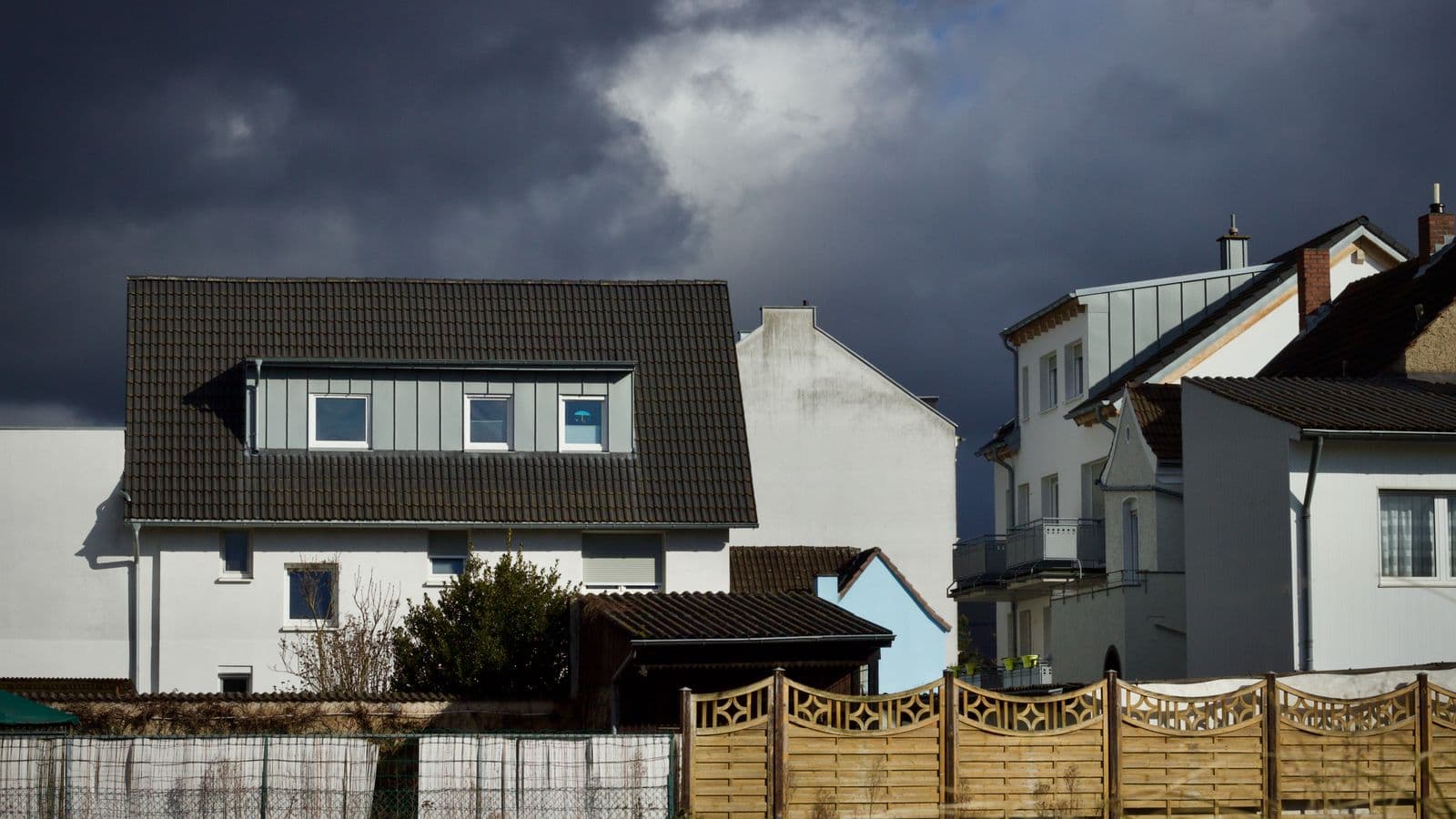
Most storm-prep advice is written for everyone, which means it fits no one. A list that leads with hurricane shutters isn't much use in Denver, and defensible space means nothing on the Gulf Coast. The threat that matters at your house is regional, and so is the prep.
So instead of one generic checklist, here's what each part of the country actually faces, plus the two preparations that matter everywhere. Find your region, do the short list, and skip the rest.
What your region actually faces
Hurricanes and coastal wind (Gulf and Atlantic coasts). Know your evacuation zone before you need it: look it up now and write it down. Walk the house with your phone and photograph every room, the roof, and the exterior before the season starts, because after-the-fact photos can't show what you had. Have someone check how your roof is attached and whether your garage door can handle wind pressure. A failed garage door is one of the most common ways wind gets into a house. Clear drains, scuppers, and gutters so the rain that arrives with the wind has somewhere to go.
Wildfire (the West). Defensible space is the core of it: keep the first few feet around the house free of dry vegetation, mulch, and anything else that burns, and thin what grows beyond that. Clear your gutters and roof of leaves and needles, because embers land there first. If your vents aren't ember-resistant, screening or upgrading them closes one of the most common entry points into the attic. And photograph your belongings room by room, since wildfire losses often involve the entire contents of a home.
Hard freeze (the South, and surprise cold anywhere). Freezes do the most damage in homes that were never built for them, which is why a cold snap in Texas can burst more pipes than a routine winter in Minnesota. Insulate exposed pipes in crawl spaces, garages, and along exterior walls. When a hard freeze is forecast, let faucets on exterior walls drip and open the cabinet doors under sinks. Most important, know where your main water shutoff is, because a burst pipe is measured in minutes. The fall checklist covers the rest of the pre-winter version of this work.
Severe storms, hail, and tornadoes (the Plains and Midwest). Test your sump pump before the season rather than during the first big rain: pour a bucket of water into the pit and confirm it kicks on. Decide now which interior room on the lowest floor is your shelter spot, and make sure everyone in the house knows it. Photograph your roof while it's in good condition. Hail claims often turn on whether damage is new or old, and dated photos settle that question.
Monsoon and flash flood (the Southwest). Monsoon rain arrives fast and all at once, so prep here is mostly about where that water goes. Walk the yard and confirm the ground slopes away from the foundation, and fix low spots that hold water against the house. Clear washes, channels, drains, and roof canales before the season, since a blocked drain in a ten-minute downpour behaves like no drain at all.
The two preps every region shares
First, know your shutoffs. Water, gas, electrical: find each one, make sure you can actually operate it, and show everyone else in the house. In almost every scenario above, the difference between an incident and a disaster is how quickly someone reached a valve or a breaker.
Second, document the house before anything happens. Photos of every room, the roof, the exterior, and your major systems, with dates. Receipts for big-ticket items and improvements. Insurance claims go far smoother when you can show what existed and what condition it was in, and that evidence can only be gathered ahead of time. If you live in a condo, this matters twice over: your walls-in policy and the building's master policy split responsibility in ways that surprise people, and the condo insurance gap is worth understanding before a storm tests it.
The right list at the right time
The work itself is a weekend, maybe two. The part people miss is remembering which season is theirs and starting early enough. Hurricane prep belongs in late spring, wildfire prep before the dry months, freeze prep in fall. Each list has a window, and the window closes when the forecast turns.
If your agent set you up with Reyn, this is what its care plan is for. The plan is keyed to your climate region, so hurricane tasks appear on Gulf Coast plans and freeze prep appears where freezes actually hit, each timed to your season instead of a generic calendar. And the record you build along the way (photos, documents, dated proof of condition) is exactly what you'll reach for if a storm ever puts your house on the wrong side of a claim. Most seasons pass quietly. The prep is for the one that doesn't.
For homeowners
Reyn comes as a gift from your agent.
Free for you. Tell us who your agent is and we'll send them one note that you asked. No spam, no follow-ups.
More on Home Health & Systems

Home Health & Systems
DIY or Call a Pro: Where the Line Actually Is
The line isn't about skill. It's about what happens when it goes wrong. A framework for the call every homeowner keeps making.

Home Health & Systems
The Fall Checklist That Actually Prevents Winter Damage
Most fall checklists are forty items long. These are the handful that actually prevent expensive winter damage.

Home Health & Systems
Recalls Quietly Sitting in Older Homes
Electrical panels, water heaters, dishwashers: recalls don't come find you. Here's how to check what's already installed.